
In short: East and central Coral Springs (33065) is the original core of America's first master-planned city: first-generation 1960s–70s ranches along Royal Palm Blvd and University Drive, with cast-iron drains — and Orangeburg on the earliest builds — now 50+ years old. Every camera inspection here pairs with a drainage-grade survey, because silted 1960s swales pond water against slab edges. Call (833) 713-2101.
Area Facts
- Area
- Coral Springs, FL
- ZIP
- 33065
- Housing
- First-generation 1960s–70s ranches (Royal Palm Blvd, University Dr); 1970s condos near Coral Square
- Pipe stock
- Cast iron; Orangeburg on earliest builds; PVC post-1980
- Water table
- 2–6 ft; C-14 canal north; silted 1960s swales pond against slabs
- Landmarks
- Coral Square Mall, Coral Springs Center for the Arts, Mullins Park, Broward Health Coral Springs
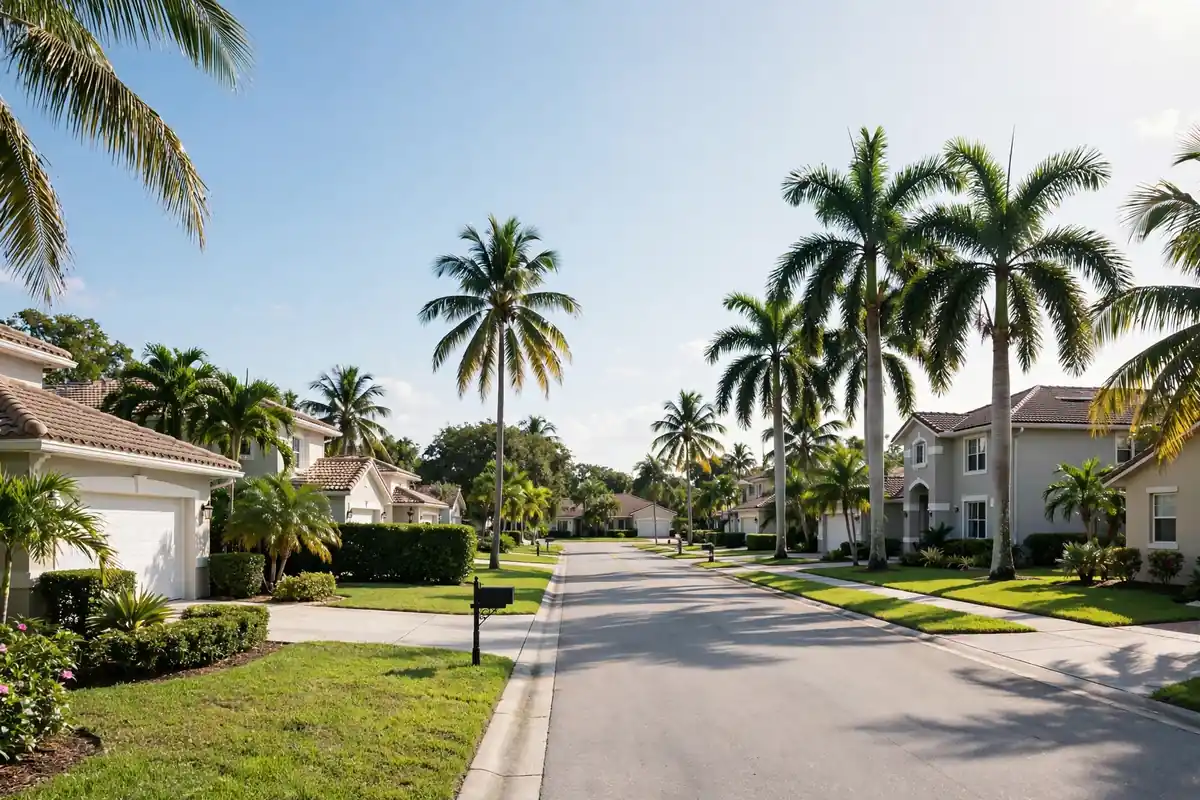
Coral Springs was America's first master-planned city, founded in 1963, and ZIP 33065 is where the plan started: the first-generation 1960s and 1970s single-family ranches along Royal Palm Boulevard and University Drive, plus the 1970s mid-rise condos near Coral Square Mall. The pipe under these homes is the oldest planned-city stock in the batch — cast-iron drains on the 1960s–70s builds, with Orangeburg fiber pipe on the very earliest, all of it now 50 or more years into service and past the age where joints hold and bores stay clear. The Coral Springs Center for the Arts, Mullins Park, and the Sportsplex anchor a core that has matured around its original infrastructure; Broward Health Coral Springs serves the same neighborhoods whose laterals are now failing; and the Sawgrass Expressway's southern terminus puts the whole core on the commuter map. Slab-on-grade pads are near-universal — the planned-city standard — which puts every lateral shallow, exactly where the surface water goes. The Sawgrass Expressway's southern terminus at the city's edge puts the core within easy reach, and the crew schedules 33065 appointments to avoid the expressway's peak congestion.
What makes 33065 different from every other planned-city ZIP in this group is the drainage the planners engineered — and what half a century did to it. The 1960s lot-drainage swales that were supposed to carry stormwater away from slabs have silted up, and in the rainy season they now pond water directly against slab edges — lot-to-lot ponding across the older blocks. That ponded water migrates under the slab and into cracked cast-iron bell joints from below, which means a camera inspection alone tells only half the story here: the pipe can be clear of roots and still surcharge, because the water is entering through joints from saturated soil, not backing up from a clog. Sewer Line Repair Crew pairs every 33065 camera survey with a drainage-grade survey — the crew walks the lot, documents where water ponds and how it grades against the slab — because fixing the pipe without fixing the water pressing against it is a repair with a built-in expiration date. Betti Stradling Park and the Sportsplex sit amid the same 1960s blocks whose swales have silted — the park's drainage was engineered with the same system, and it shows the same ponding.
How Sewer Work Changes in Coral Springs
The silted-swale problem is the local hook no sibling page can borrow, and it has a failure signature all its own. In 33065 the engineered drainage is a double edge: when it worked, it kept slabs dry; now that the 1960s swales have silted, rainy-season ponding pushes surface water against slab edges exactly where the 50-year-old cast-iron bell joints sit. The signature is backups and slow drains that worsen during and just after heavy rain — even when the line is clear of roots — because the water is entering through joints from saturated soil. The crew's grade survey documents the ponding points, and the recommendation often pairs a trenchless liner or replacement with swale regrading: two fixes for one failure mechanism. Skip the regrading and the new liner inherits the old water pressure; skip the liner and the regraded swale still drains toward open joints. The ZIP's whole pitch is that the pipe and the grade are one job. The regrading work itself is scheduled in the dry season, when the swales can be reshaped without fighting standing water — another reason the crew pairs it with the pipe scope instead of bidding it separately.
The second factor is the canopy, and in 33065 it is the dominant failure mode. The live oaks and ficus planted across the core in the 1970s are now mature trees whose root systems straddle laterals across every older block — and a 50-year root system does not negotiate with a 50-year cast-iron joint. Root intrusion here outranks corrosion and bellies as the cause of service calls, with the familiar pattern of drains slowing a few months after every cleaning. But the cutting has to be planned around the drainage picture too: a root-opened joint in ponding soil admits groundwater the moment the roots are cut, so the crew sells camera, cutting, and grade correction as one program, not three separate visits. And on the very earliest builds along the Royal Palm Boulevard and University Drive corridors, the camera specifically checks for Orangeburg — the fiber-and-tar pipe that deforms and collapses with age rather than corroding, and that means replacement, not relining, wherever it is found.
Services Available in Coral Springs
In 33065 the services that matter most are camera inspections paired with drainage-grade surveys as the standard first visit — the only ZIP in this group where the grade survey is routine — trenchless CIPP relining and pipe bursting for the 1960s–70s cast-iron laterals, open-cut replacement for Orangeburg runs and collapsed sections, and root-intrusion cutting scheduled against the mature live-oak and ficus canopy. Where swales have silted, the crew scopes regrading alongside the pipe work, so the repair addresses the water pressure and the pipe together. Every excavation is quoted with dewatering for the 2–6 ft water table and with the slab-edge ponding accounted for, so the new line does not inherit the old line's water problem. The written findings cover both the pipe and the grade — one report, one recommendation, one program. For the 1970s condos near Coral Square, the crew adds stack camera surveys to the lateral scope — mid-rise cast-iron stacks of that vintage scale and fail on the same timeline as the buried pipe.
Sewer Services in Coral Springs
Commercial Sewer Services
Coral Springs, FL 33065
Learn moreEmergency Sewer Repair
Coral Springs, FL 33065
Learn morePipe Bursting
Coral Springs, FL 33065
Learn morePipe Lining
Coral Springs, FL 33065
Learn moreSewer Camera Inspection
Coral Springs, FL 33065
Learn moreSewer Leak Detection
Coral Springs, FL 33065
Learn moreSewer Line Cleaning
Coral Springs, FL 33065
Learn moreSewer Line Installation
Coral Springs, FL 33065
Learn moreSewer Line Replacement
Coral Springs, FL 33065
Learn moreSewer Maintenance
Coral Springs, FL 33065
Learn moreTree Root Removal
Coral Springs, FL 33065
Learn moreTrenchless Sewer Repair
Coral Springs, FL 33065
Learn moreFrequently Asked Questions
My drains only back up during heavy rain. Is that a clog?
Probably not — it is the 33065 signature. Silted 1960s swales pond water against your slab edge, and that water migrates under the slab into cracked cast-iron bell joints from below. The line can be clear of roots and still surcharge, because the water is entering through joints from saturated soil, not backing up from a blockage. A camera survey plus a drainage-grade survey shows both halves of the problem: the footage shows the joints, the grade survey shows the ponding that feeds them. The fix pairs sealing the pipe with regrading the swale — one without the other leaves the failure mechanism in place.
My Coral Springs home was built in 1968. What pipe do I have?
Era-consistent stock for 1968 is cast-iron drains, with Orangeburg possible on the very earliest builds in the core. At 55+ years, the cast iron is past its design life: scale narrows the bore, joints open to roots and groundwater, and the silted swales keep those joints wet. Only a camera inspection confirms per-property, since partial replacements over the decades may have introduced PVC sections — the survey maps every material transition so the scope matches the actual pipe.
What is Orangeburg and should I worry about it?
Orangeburg is a fiber-and-tar pipe used on some of the earliest 1960s builds. It deforms and collapses with age rather than corroding — when it fails, it fails structurally, which means relining is not an option and replacement is the fix. If your home is among the first-generation builds along the Royal Palm Boulevard or University Drive corridors, the camera survey specifically checks for it, because finding Orangeburg changes the entire scope from a reline bid to a replacement bid.
Why do you survey my yard drainage on a sewer call?
Because in 33065 the yard drainage is half the sewer problem — literally. The 1960s swales silted up decades ago, and ponding against the slab is what drives water into your pipe joints from below. Fixing the pipe without addressing the ponding leaves the failure mechanism in place, and regrading without sealing the pipe still drains toward open joints. The grade survey is standard here because the pipe and the grade are one job — it is what makes the pipe repair last.
The trees in my yard are huge 1970s live oaks. Are they the problem?
They are the dominant failure mode in this ZIP. Mature live-oak and ficus root systems straddle laterals across the 33065 core, and 50-year-old cast-iron joints are exactly what those roots are built to exploit — root intrusion outranks corrosion and bellies here as the cause of calls. Root cutting on a schedule keeps the line open; relining the joints the roots keep finding ends the cycle permanently. The cutting is planned around the drainage picture, since a root-opened joint in ponding soil admits groundwater the moment the roots are cut.
How do I get started?
Call (833) 713-2101. A technician runs the camera from your cleanout to the street main, walks the lot for the drainage-grade survey, and gives you written findings covering both the pipe and the water pressing against it — defect locations, material transitions, ponding points, and one recommendation that addresses both. One visit, both halves of the 33065 problem documented.
Get a Local Sewer Specialist on the Line Now
One call connects you with a Coconut Creek-area sewer line professional. Day or night, we're ready to help.
(833) 713-2101No obligation · Emergency help 24/7
Serving Coral Springs, FL 33065